Client project
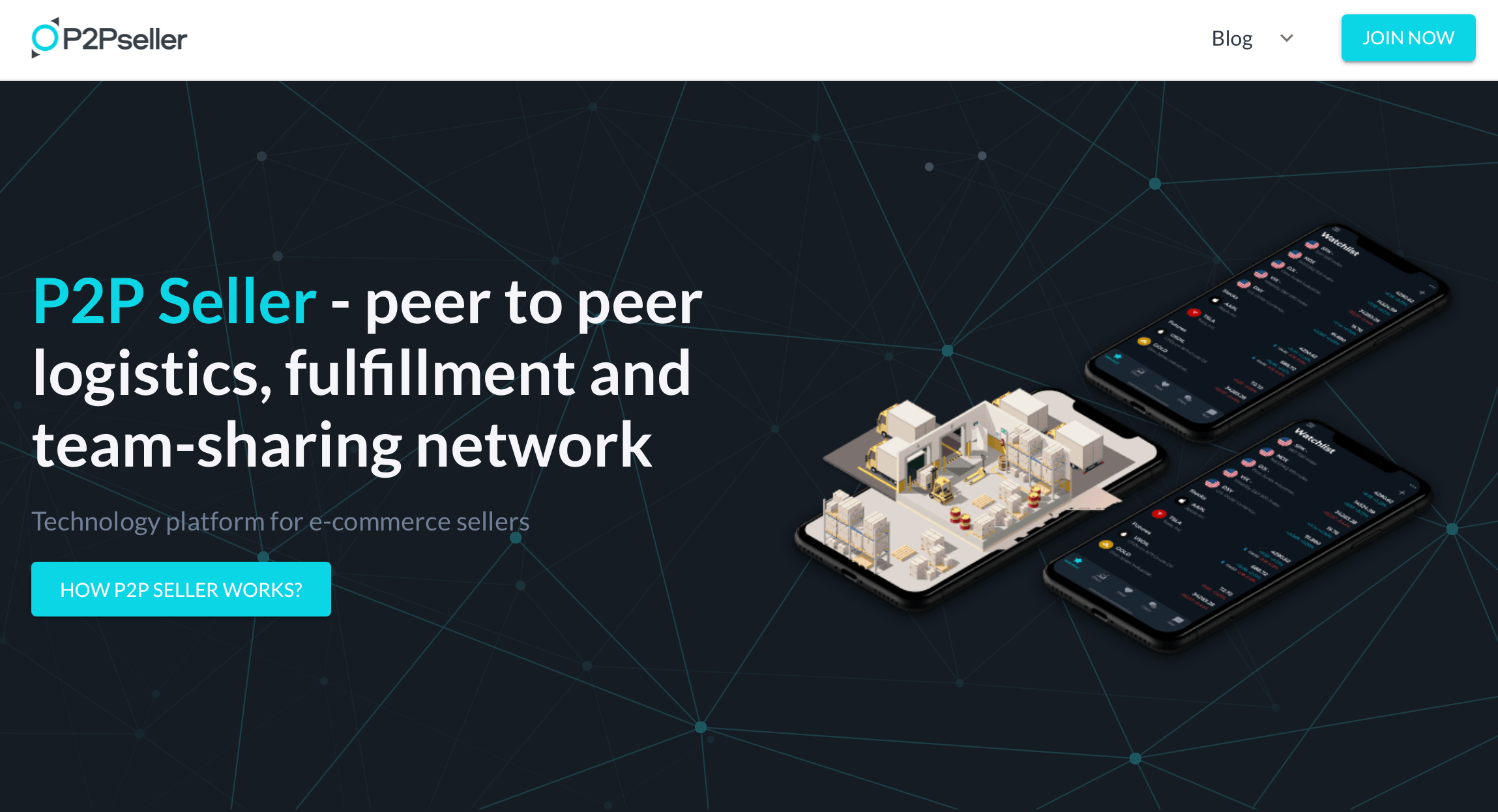
P2P Seller
Tech stack
Services
- →Frontend, React + Redux search, filtering, and booking flow
- →Backend, Node.js booking logic and REST API
- →Serverless, AWS Lambda for notifications, webhooks, and availability updates
- →Location owner management dashboard
- →Engineering mentorship, code review, and team practices
Deliverables
- ✓Two-sided marketplace: seller search + location owner management dashboard
- ✓Real-time availability calendar per location with live pricing
- ✓Three-step booking flow, search to confirmed booking in minutes
- ✓Serverless notification and payment webhook pipeline on AWS Lambda
- ✓Service card UX: services, prices, capacity, photos, reviews in one view
Challenge
Marketplace sellers needed physical infrastructure: warehouse space for storage, pickup points, store locations for last-mile delivery. Finding and booking suitable locations was a fragmented, time-consuming process, phone calls to owners, manual price comparisons, no visibility into real-time availability. Sellers were losing days on logistics coordination that should take minutes.
Discovery
Talking to both sides of the market surfaced a two-sided problem. Sellers needed a fast way to find nearby locations that matched their requirements: capacity, services offered (storage, packing, labelling), price per cubic metre, and available slots. Location owners had the opposite problem, their capacity was often underutilised because discovery was too hard. The missing piece was a transparent marketplace connecting both sides in real time.
Options Considered
- Directory/classified model (like Avito listings): rejected. Static listings go stale; no availability signal, no booking flow, no trust.
- Aggregator with manual confirmation: rejected. Adds 24, 48 hour lag between request and confirmation; sellers need to move fast.
- Real-time booking platform modelled on Amazon Seller logistics + Booking.com UX patterns, chosen. Live availability calendar, instant pricing, and one-click booking with confirmation.
Decision
React + Redux for the client-facing search and booking interface, Node.js for the backend API and booking logic, and AWS Lambda for event-driven pipeline work (notifications, availability updates, booking confirmations). The UX goal was explicit: a seller should be able to find a location, see all relevant details, and complete a booking without leaving the screen.
Implementation
Built a location search with map view and list view, sellers filter by geography, service type, capacity range, and price. Each location page shows the full service card: available services with individual pricing, a live availability calendar, photos, and reviews. Booking flow is streamlined to three steps: select dates and then confirm services and then pay.
Location owners get a management dashboard: update availability, set pricing per service, respond to bookings, and view occupancy analytics. AWS Lambda handles the async side, booking confirmation emails, availability recalculation after a booking, and payment webhook processing. Mentored junior engineers through the build, running weekly code reviews and introducing PR standards that significantly reduced regression rate.
Outcome
Booking time dropped from days of back-and-forth to minutes of self-service. Sellers got real-time visibility into what was available, at what price, with what services, comparable to booking a hotel room. Location owners gained a reliable channel to fill capacity without inbound sales calls. The platform launched with a functional two-sided marketplace from day one.
Open for contract collaboration
I am available for contract-based collaboration. If you have an interesting project idea, schedule a call via Calendly.
Schedule a 30-min call